
What Is a Salvage Used Car?
Main Points
- An insurance company declares a car “salvage” when the cost of repairs outweighs the market value of the vehicle.
- You can rebuild salvage cars, making them road legal and insurable.
- Buying a salvage car poses the risk of limited financing, lack of insurance coverage, and costly issues down the road.
What Does a Salvage Title Mean?
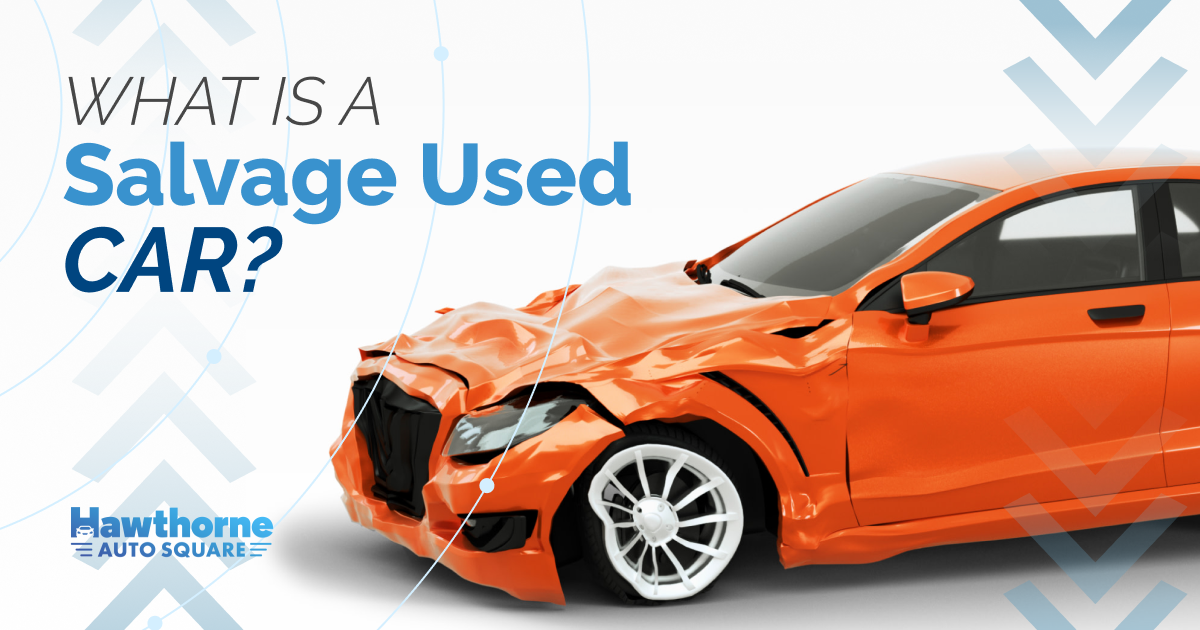
When you’re shopping for a used vehicle, you may come across the term “salvage used car”. A salvage title is a car that has little financial value, often because it incurred severe damage in an accident, and repairing it would cost more than the vehicle is worth. The insurance company may take the car and repair, rebuild, or resell it, or let you keep the car along with a salvage title.
Some salvage title cars are those that owners return under warranty, have already been rebuilt or remanufactured, or those used as law enforcement vehicles or taxis. While many avoid salvage vehicles and shop for high-quality used cars instead, it is possible to purchase, insure, and drive such vehicles. We’ll explain what a salvage title is and some considerations when buying one.
How Does a Car Get a Salvage Title?
A car receives a salvage title when the insurance company declares that the cost to repair it is higher than a specific percentage of its market value. Cars often receive this permanent marking after a major event that causes severe damage.
Common causes for salvage designation
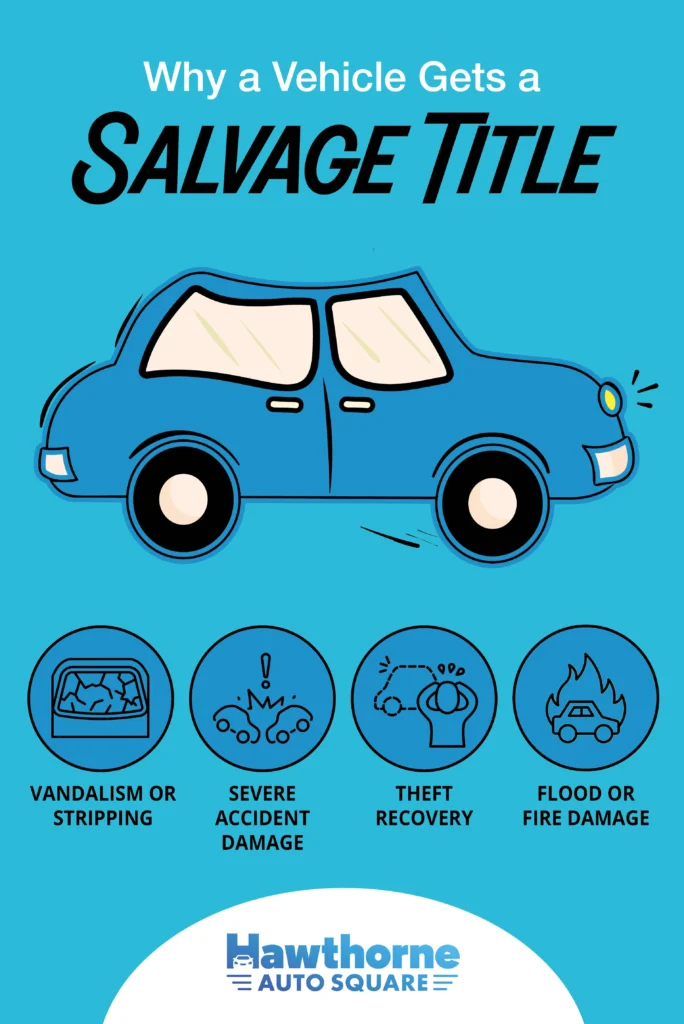
The most common reasons a vehicle receives a salvage title include:
- Severe accident damage
- Flood or fire damage
- Theft recovery
- Vandalism or stripping
The insurance company’s role in declaring total loss
When a car undergoes severe damage or is recovered from an event such as theft or vandalism, the insurance company evaluates the vehicle to determine the cost of repairs. If the cost of repairs is higher than the state’s threshold, they’ll declare the car a total loss and issue a salvage title.
State-by-state title branding rules
The requirements to brand a car as salvage vary from state to state. In California, the cost to repair the car must be more than 70% of the car’s market value.
What’s the Difference Between a Salvage and Rebuilt Title?
As you shop around for cars, you may see some titled salvage, while others have a rebuilt label. While both of these labels mean the car once underwent severe damage, they have a few differences.
Salvage = unrepaired total loss
A car with a salvage label is considered a total loss that is not in a safe, drivable condition. These are not allowed to drive on public roads without repair and cannot be legally registered.
Rebuilt = repaired and inspected salvage vehicle
A once-salvaged vehicle can receive a rebuilt title after it’s repaired and inspected by the state. The label means the car is safe to drive again and can be registered, but still has a history of being a total loss.
Is It Safe to Buy a Salvage Car?
While salvage cars often come at low prices, there are a few things to consider before making the purchase. Let’s explore the pros and cons of salvage cars below.
Pros
A salvage title car can often be purchased at a low price, making it an option for those who can’t get a traditional auto loan or have little cash to spend. While you can’t use an auto loan to buy a car with a salvage title, you can take out a personal loan, although the interest rate and monthly payments may be higher. If you repair the car and it passes all inspections, you may be able to resell your vehicle with a rebuilt title and make a profit.
Cons
Before buying a salvage vehicle, it’s important to consider the potential drawbacks:
- Challenges with financing: Banks and other lenders are often reluctant to finance a salvaged vehicle. Even if you receive approval for a loan, expect to pay more in interest and repay it sooner.
- Repair costs: Since the car has little value, an insurance company won’t cover much damage, and you won’t get a high payout after an accident. Your insurance premium will be higher, and you won’t be eligible for an extended warranty. And, it’s also likely the car will need repairs in the future.
- Questionable vehicle history: Always check the vehicle history report before considering a used or salvaged car. This can tell you if it’s been involved in any accidents, has had flood or fire damage, or has not been maintained as recommended.
- Difficult to trade in: A salvage title car has so little value that it can be difficult to trade in later for a new car. It’s likely less than half the value of a similar vehicle. This makes it a risk for a dealership. You may also encounter sellers just looking for parts, while a private party may be reluctant to purchase a salvaged car.
- Safety: Not all cars with salvage titles are unsafe. But many rebuilt vehicles can have issues with airbags, structural components, and electrical issues.
How to protect yourself
When you purchase a salvage used car, make sure the seller reveals the damage and the vehicle’s title status beforehand. Some sellers attempt “title washing” to hide the facts and get a better price for the car. Obtaining a vehicle history report using the car’s Vehicle Identification Number (VIN) helps you check if a car has a salvage title and avoid falling into this trap.
If you know the car has a salvage title, ask the seller for the repair documents to understand the nature of the problem. Then, contact your insurance company to determine if the car is insurable and to get a quote.
If you suspect a seller isn’t disclosing the car’s full history, take it to a mechanic to determine if there are signs it’s a salvage vehicle. These include non-factory replacement parts, mismatched paint, misaligned doors or windows, and faulty electrical components. You can ask the mechanic for repair recommendations or if they’d advise purchasing the car.
Can You Finance or Insure a Salvage Title Car?
Lenders and insurers see salvaged cars as a risk, making it more challenging to secure auto loans or insurance coverage.
Most lenders avoid salvage financing
It’s often difficult to find a lender that will finance a salvage vehicle. Because these cars were once declared a total loss, many lenders worry they may have hidden damage or issues that reduce their worth.
Some insurance companies won’t fully cover salvage vehicles
While many insurance companies insure rebuilt salvage vehicles, they often won’t provide full coverage. These cars have a history of damage that makes them more of a liability, leading many insurers to offer only liability coverage.
Special considerations for California drivers
In California, financing a salvage car can be next to impossible, as many lenders exclude these vehicles from personal auto loans. Receiving insurance coverage also proves challenging, as California insurance companies refuse comprehensive and collision coverage for salvage vehicles because of the risks they carry.
If you decide to purchase a salvage car in California, you’ll need to pay a salvage title registration fee. There’s also a salvage and dismantled vehicle inspection fee, a prior history fee, and other costs that may apply. If you intend to make the vehicle legal to drive again, make sure you know all the registration and insurance requirements are met and that it’s safe to take on the road.
Should You Consider Buying a Salvage Used Car?
While purchasing a salvage vehicle may feel like a tempting option to some buyers, it’s not for everyone. It’s important to weigh your circumstances and the potential risks carefully before making the purchase.
When it might be worth it
Buying a salvage vehicle can be a good option for knowledgeable buyers who have a thorough understanding of vehicle repairs. DIY rebuilders or budget shoppers who are looking for an affordable project can find unique cars at low prices thanks to their title.
When to walk away
If you’re unfamiliar with repairs and don’t want the hassle of rebuilding a vehicle, it’s best to avoid salvage vehicles. These cars prove challenging to finance, insure, and rely on, making them a risky and potentially costly purchase.
Alternatives
If you’re looking for a reliable, low-cost car that doesn’t carry a salvage title, consider purchasing a certified pre-owned used car from a reputable dealer like Hawthorne Auto Square. These cars come with the same affordable pricing, while offering long-term values and peace of mind.
Why You Should Skip Salvage Cars — and Buy with Confidence from Hawthorne Auto Square
For low-cost cars without the hassle, visit Hawthorne Auto Square. We carry a vast inventory of high-quality, fully inspected used cars at our buy here, pay here dealership in Los Angeles. As an honest and reputable dealer, we provide complete information on each vehicle’s history and condition, so you never have to worry about unexpected surprises down the road.
Each purchase includes a 30-day, 1,000-mile warranty, and extended service warranties are available. We even offer instant pre-approvals through our online credit application.
Feel free to browse our used car listings online, call (855) 971-1707 to learn more about our warranties and flexible financing options, or visit Hawthorne Auto Square in person to take a tour of the lot.
Service Areas We Proudly Serve
We help buyers across Los Angeles County, Riverside County, and San Bernardino County find safe, affordable vehicles, including the following ZIP codes:
- 90044
- 90047
- 90003
- 90250
- 90301
- 90260
- 90303
- 90262
- 92404
- 92407
- 92503
- 92505
We also serve residents in Hawthorne, Inglewood, South LA, Compton, Gardena, Long Beach, Riverside, San Bernardino, Moreno Valley, East LA, and surrounding areas.
Frequently Asked Questions
Is it hard to resell a salvage car?
Salvage cars have a permanent title on their record, making them more challenging to sell. Because of their history, they have a lower resale value and are less attractive to most buyers.
Do all salvage cars have major damage?
Even though some salvage cars are in good condition after repairs, they all have a history of severe damage. To be declared a total loss, their previous damages must have cost more than a high percentage of the car’s total value.
Do salvage title cars pass smog checks?
Salvage cars can pass smog checks, depending on their current condition. If you rebuilt a salvage car, it must pass a California smog test before you can register it and legally drive it on the road.
Get approved
It only takes a few minutes and won't affect your credit.
- Pre-Inspected Cars
- Clean Title
- Under Warranty